RO

deep holds what surface hides
Future-Proofing the Brain with Self-Tuning
As we move further into the 21st century, the pace of life continues to accelerate, bringing with it an ever-increasing array of stressors. From the rapid advancements in technology to the complexities of modern work environments, our brains are constantly challenged to keep up. Traditional stress management techniques, while valuable, are no longer sufficient on their own. To truly thrive in this fast-paced world, we need to explore advanced methods for upgrading our brains' capacity to handle stress. One such method is self-tuning.
Self-tuning, a principle borrowed from systems theory, refers to a system's ability to adjust its behavior to maintain optimal functioning. In the context of the human brain, self-tuning involves dynamically modulating emotional and cognitive responses to stress. This process allows the brain to remain resilient and adaptable, even in the face of rapidly changing environments.
Stereotypes about caregiving often paint a bleak picture, portraying caregivers as perpetually overwhelmed and exhausted. These stereotypes contribute to the silent oppression that many caregivers feel, as their complex realities are reduced to simplistic, negative narratives. The salutogenic model desensitizes these stereotypes by shifting the focus to the strengths and resources that caregivers inherently possess.
The cultural and social context plays a crucial role in shaping caregivers' experiences. Salutogenesis acknowledges and values the unique cultural backgrounds and social dynamics of caregivers, helping to break down one-dimensional stereotypes and replace them with a more nuanced understanding. Life as a caregiver can be unpredictable and chaotic, but the salutogenic model emphasizes creating order and predictability. This helps caregivers manage stress more effectively, reducing the feelings of helplessness that stereotypes often perpetuate.
Instead of viewing caregivers as overwhelmed, the salutogenic approach focuses on balancing the demands placed on caregivers with the resources available to them. This balance empowers caregivers, showing them as capable and resourceful individuals who can manage their responsibilities effectively. Salutogenesis encourages caregivers to find meaning and purpose in their roles. By highlighting the significant impact they have on their children's lives, this model helps to counteract the negative stereotypes that diminish their contributions.

To support these future-oriented self-tuning strategies, we must develop advanced biohacks that integrate seamlessly into our lives. These biohacks will focus on both immediate stress relief and long-term brain enhancement.
Wearable devices equipped with sensors can continuously monitor physiological indicators of stress, such as heart rate variability and skin conductance. Coupled with AI-driven analytics, these devices can provide real-time insights and personalized recommendations for self-tuning. For instance, if the device detects elevated stress levels, it might suggest a specific breathing exercise or a short mindfulness session to help recalibrate the brain's stress response.
AR and VR technologies offer immersive environments for practicing self-tuning techniques. These tools can create controlled, stress-inducing scenarios where individuals can practice adaptive responses in a safe setting. Over time, this can enhance their ability to handle real-world stressors with greater ease and confidence.
Non-invasive neurostimulation devices, such as transcranial magnetic stimulation (TMS) and transcranial direct current stimulation (tDCS), can be used to modulate brain activity and promote neuroplasticity. When integrated with personalized self-tuning protocols, these devices can help optimize brain function, improving resilience to stress.

The future of self-tuning holds immense promise for enhancing our brain's ability to cope with stress. By integrating deep learning algorithms, neuroplasticity exercises, and advanced biohacks, we can create a sophisticated system for managing stress in real-time. This approach will not only help us keep pace with the rapid changes of modern life but also promote long-term brain health and resilience. As we continue to explore and develop these techniques, self-tuning will become an essential tool for thriving in an increasingly complex world.
Author

Emilia Ferreira
Neuroscientist. Motherhood futurist. Biohacker. Pattern disruptor challenging the status quo with radical compassion and high-stakes philosophical questioning.
Newsletter
Parenting a neurodivergent child? We’ve got what no one else is giving you. Real talk, exclusive hacks, and science-backed tool designed specifically for the challenges you face—emotionally, biologically, and socially. No vague advice. Just what actually works—because we see what you’re really carrying .
Free Starting Guide
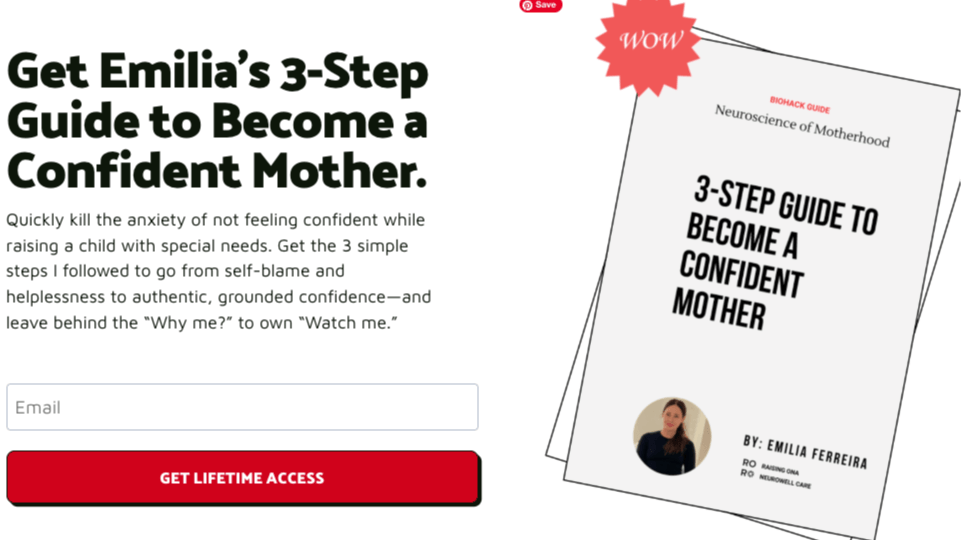
Begin Where It Matters: The 3-Step Guide I Use to Rewire Confidence—for Me and My Kids. Easy to follow, designed to shift how you feel—deep in your body and biology right away.
Categories
Join Our Newsletter
If you felt something stir, don’t stop here.
Subscribe to the newsletter—where your energy finds fuel, and your radical voice finds home.


